
Steel Casting Explained: What It Is, How It Works, and Why It Matters
Steel Casting Explained: What It Is, How It Works, and Why It Matters
- Commercial
- July 02, 2025
When a custom part keeps cracking under heat or sustaining damage from impact, it’s easy to blame the design. However, the real issue often begins much earlier, with how the part was manufactured.
Steel casting gives you the advantage of making strong, complex shapes as a single piece. Thus, you don’t have to rely on welds or seams that can become weak points later on. At ETC Foundry, we’re not just pouring metal into molds. We know which steel can handle acid without breaking a sweat and more.
Whether you're new to the concept or exploring better sourcing options, this guide will walk you through the steel casting process, material types, grade selection, and why the foundry you choose matters more than you might think.
What Exactly Is Steel Casting?
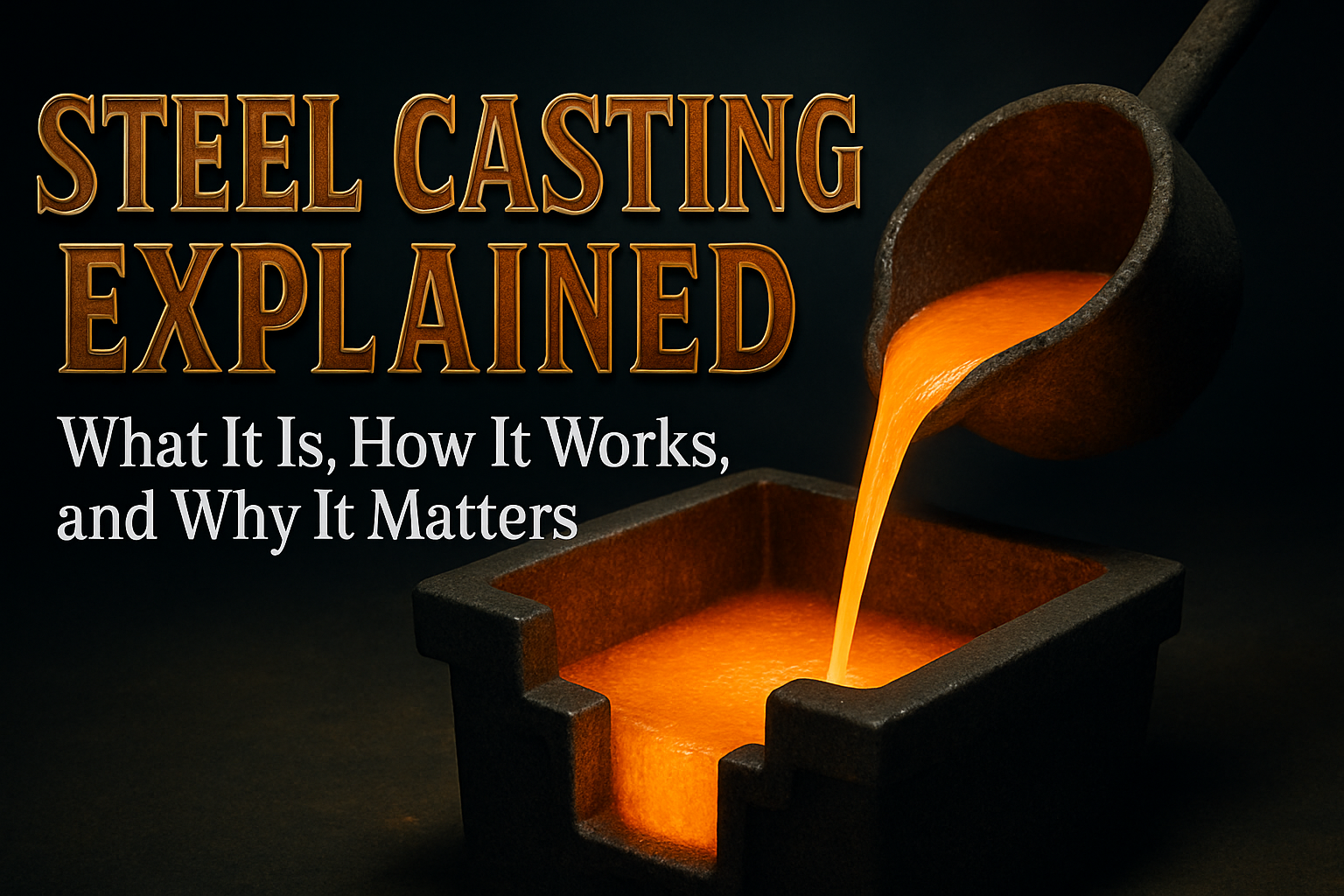
Steel casting is pretty much what it sounds like. You start by pouring molten steel into a mold that shapes it the way you want to. After it cools and hardens, you end up with a part that’s strong and ready to take on some serious work.
The cool thing about casting is that it lets you make complicated shapes and big pieces all in one go. No need to weld or bolt a bunch of parts together. Think of it like baking, but instead of cake batter, you’re working with steel heated to over 1600°C.
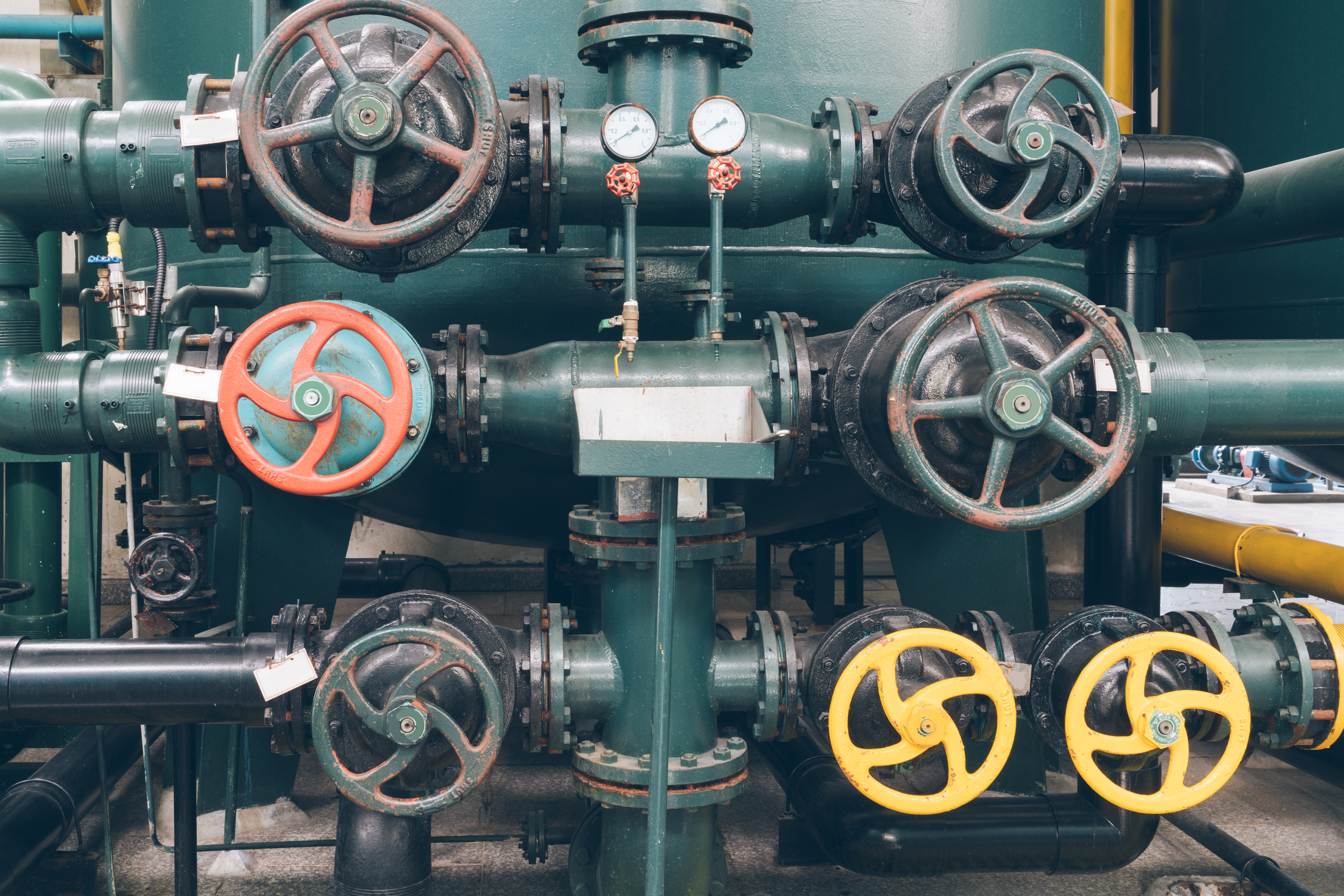
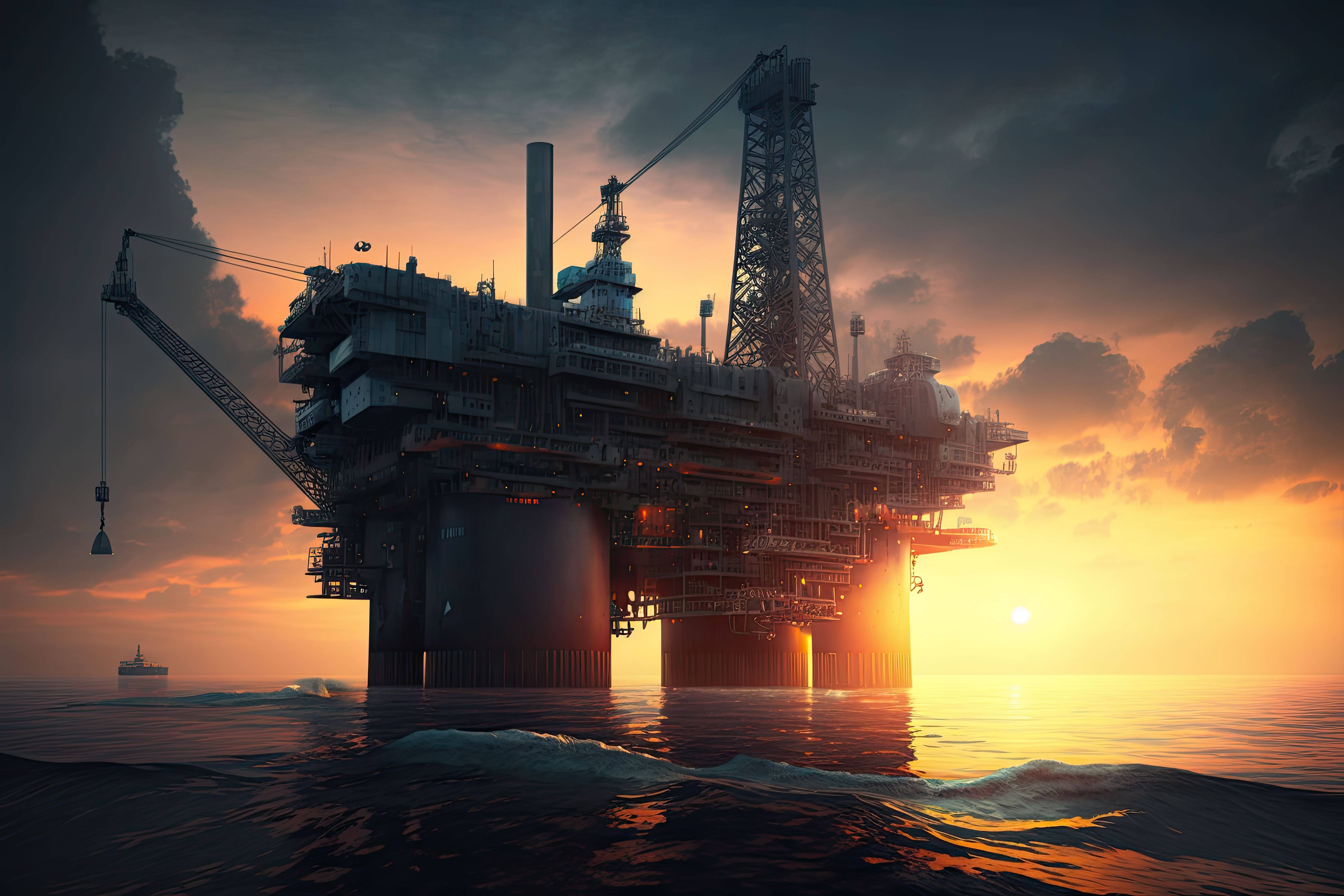
You’ll find steel castings in all sorts of places, such as turbines, valves, mining gear, and offshore rigs.
How the Steel Casting Process Works
The process begins with making a pattern of the final part you need to make. It is usually carved from wood, wax, or plastic. After creating the pattern, it is used to create a mold, often made of sand, which will give shape to the molten steel.
Next up is melting the steel. Sp steel gets heated (at around 1600°C) in a furnace until it’s a glowing, liquid-like state, ready to be shaped. Then comes the careful pouring of that molten steel into the mold.
After pouring, the steel needs time to cool and harden inside the mold. This part takes patience because rushing it can cause problems later.
Once cooled, the new part is taken out of the mold and cleaned up. In this step, it will often be heat-treated to boost strength. Sometimes, it’s even machined to get everything just right.
And just like that, the steel casting process comes to an end.
Steel Casting Methods
There’s more than one way to cast steel, and the method you choose can seriously impact cost, surface finish, and precision. Let’s break down the most common steel casting methods used by steel casting manufacturers in modern foundries.
Sand Casting
This is the workhorse of the casting world, especially for large or heavy parts. A sand mold is made around a pattern, and molten steel is poured in. It’s cost-effective and versatile. However, surface finish and dimensional accuracy aren’t as tight as other methods.
Best for: Large components, lower tooling costs, short to medium runs.
Die Casting (Rare for Steel)
High-pressure die casting is more common with aluminum or zinc. At the same time, it can be used for low-carbon steel in specialized applications. It’s fast and precise. The drawback? It’s more expensive and typically only works well for smaller parts.
Best for: Niche use cases only (not typical for most steel casting needs).
Investment Casting (Lost Wax)
Here, a wax pattern is coated in a ceramic shell, then melted out to leave a highly detailed mold. It’s great for intricate shapes and tight tolerances. Surface finish is excellent. On top of that, it needs less machining afterward.
Best for: Complex parts, high precision, smooth finishes.
Shell Molding
This method offers better dimensional accuracy and smoother surfaces than traditional sand casting. Then again, it's more expensive. Here, a fine sand mixed with resin is shaped into a mold using heat.
Best for: Medium-sized parts that need a balance of detail and cost.
Centrifugal Casting
In this method, molten steel is poured into a spinning mold. The centrifugal force pushes the metal outward, creating a dense and uniform structure. This process is often used for cylinders, pipes, and rings.
Best for: Round or tubular shapes, high-strength requirements.
What Makes Cast Steel So Useful?
Cast steel’s biggest claim to fame? Its sheer strength. But there’s more to it than just raw strength. It’s the combination of properties that makes it a go-to material in so many industries.
For starters, it can take on heavy loads without bending out of shape. It’s also surprisingly tough, meaning it can absorb impact without cracking.
What really sets it apart is how flexible it is in design. You can cast complex shapes that are hard or almost impossible to machine from solid metal. Finally, when the casting is done well, the results are consistent, strong, reliable, and ready to perform.
That’s why you’ll find cast steel just about everywhere, from farm equipment to aircraft parts. It handles the jobs that other materials simply can’t.
Types of Steel Casting (Cast Steel Properties)
Not all cast steel survives the same beatings. What’ll it face? Scorching heat? Constant grinding? Saltwater baths? Pick wrong, and your part quits early.
Carbon steel castings are like that reliable pickup truck. They are strong, affordable, and everywhere. You’ll find ’em in bulldozer joints or conveyor systems.
Alloy steel? That’s when we soup up carbon steel with chrome or nickel. Suddenly it’s laughing off wear, shrugging at the heat. So it is perfect for valves in hellish refineries or gearboxes that never sleep.
Stainless steel only shows up if rust is the enemy. You will find them in oyster-shucking machines, hip replacements, or chemical vats. If it needs to stay clean while getting abused, stainless steel casting steps in.
Manganese steel is the freak. Hit it with a hammer? It gets harder. We use it for rock-crushing jaws and excavator teeth, places where everything else disintegrates.
Why Your Steel Casting Foundry Choice is Crucial
Perfect design. Top-grade steel. Textbook specs. None of it matters if your foundry botches the pour. One weak casting? That valve fails. That gear cracks. That turbine housing leaks. Game over.
That’s why you need a team that lives this stuff.
At Emirates Technology Castings Foundry (ETC Foundry), we don’t just pour steel. We obsess over:
- Metallurgy (grain structure isn’t academic – it’s why your part survives)
- Heat treatment (nailing the temper curve = no hidden stresses)
- Quality control (scanning for voids you’ll only find when it’s too late)
A great foundry does three things you’ll never see on a spec sheet:
- Asks, What’s this actually enduring? (salt spray? 900°C thermal cycling?)
- Recommends better alloys for your torture test (not their inventory)
- Spots a mold flaw before it becomes a $250k recall
Whether it’s a single prototype or a 10,000-unit run, our job is simple. We make sure steel does what you need. Not what the drawing says.
Cracking Steel Grade Chart and Codes
Look, we get it. Charts or cast steel specifications full of letters like WCB, CF8M, LCC? They look like alphabet soup. But here’s the cheat sheet: those codes are shorthand for survival skills.
Think of them like superhero profiles:
WCB: Your basic carbon steel workhorse. Strong, no-frills, handles high pressure. Like a diesel truck.
LCB: Built for the deep freeze. Won’t get brittle at -50°C. Freezer plants? Liquid nitrogen tanks? This is your guy.
CF8M: Stainless steel’s corrosion-fighting champ. Laughs at saltwater, shrugs off acid. Perfect for chemical pumps or boat parts.
The truth is, you don’t need to memorize a bunch of code. What really matters is knowing what your part’s up against. Is it battling extreme heat, freezing cold, or harsh chemicals? And how much of a beating is it going to take, constant daily stress or just the occasional hit?
FAQs on Steel Casting
We will be answering some very essential questions on this topic here.
What is a steel casting?
Imagine pouring liquid metal into a mold, letting it cool, and ending up with a tough, precisely shaped part. And that’s a steel casting. It’s custom-made, built to handle serious stress, and used in everything from heavy machinery to complex industrial tools.
What is cast steel good for?
Cast steel is used in high-stress, high-impact, or high-temperature environments. In most cases, these are used in situations like mining, construction, energy, marine, and oil & gas industries.
Why can't steel be cast?
Who said steel cannot be cast? It actually can. But casting steel is more complex than other metals due to its high melting point and shrinkage. That’s why it requires foundry expertise to get it right.
What are the different types of steel castings?
Carbon steel (strong & affordable), alloy steel (harder, heat-resistant), stainless steel (rust-proof), and manganese steel (extreme impact-toughness) are the main categories. Each type serves different industries and needs based on durability, corrosion resistance, and impact performance.
Before We Go
When failure simply isn’t an option, whether it’s a pipeline in the middle of the desert or a turbine battling ocean tides, steel casting becomes more than just science. Get it right, and it outlives the machine it’s bolted to. Luckily, we’ve got your back on this
Comment
Recent Posts

Share This News